3-Day Tanzania Safari
Visit: Tarangire, Ngorongoro, and Lake Manyara
View
Visit: Tarangire, Ngorongoro, and Lake Manyara
View
Visit: Tarangire, Serengeti, and Ngorongoro Crater
View
Visit: Tarangire, Serengeti, and Ngorongoro Crater
View
Visit: Tarangire, two Serengeti nights, crater, and Manyara
View
Visit: Tarangire, three Serengeti nights, and Ngorongoro
View
Visit: four Serengeti nights, Tarangire, and the crater
ViewTell us dates, travellers, and style. A safari specialist replies from Arusha.

Fly to Tarangire, Ngorongoro, and Manyara, then back to the island
View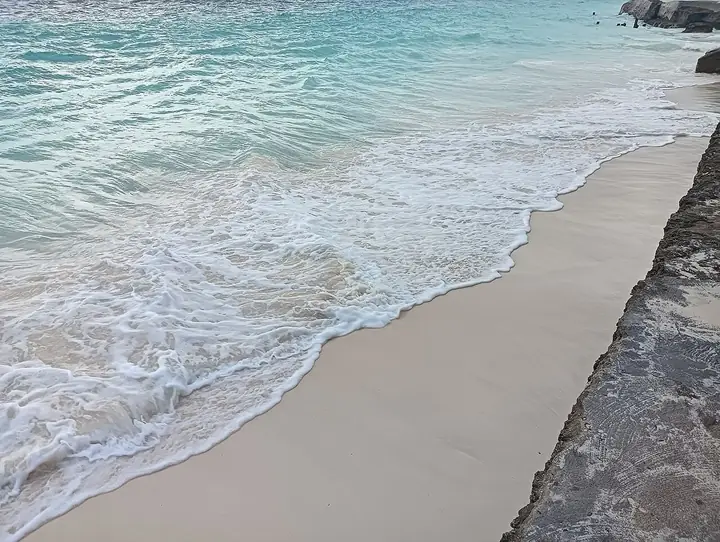
Nine days: northern-circuit safari, then three nights on Zanzibar
View
Stone Town, a spice farm, then the north coast — no safari days
View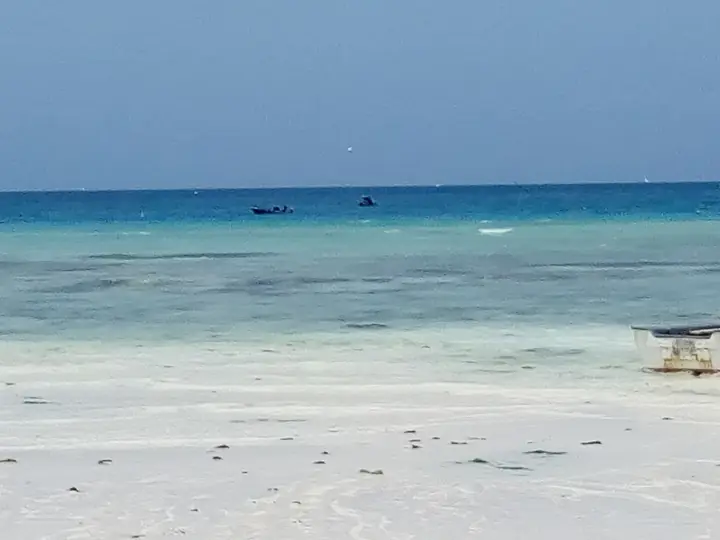
Eleven days: northern-circuit safari including Manyara, then four nights on Zanzibar
View
Twelve days: northern-circuit safari including Manyara, then five nights on Zanzibar
View
Arusha-start safari you can add after a beach stay
ViewTell us dates, travellers, and style. A safari specialist replies from Arusha.
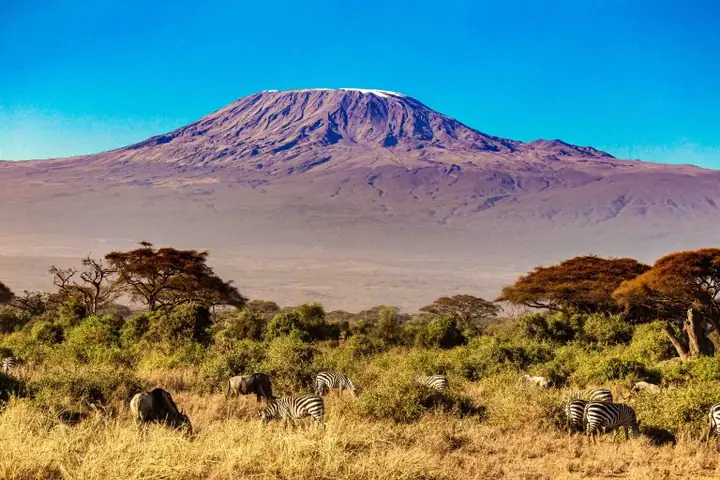
Marangu, Machame, Lemosho, Rongai, and Umbwe routes
View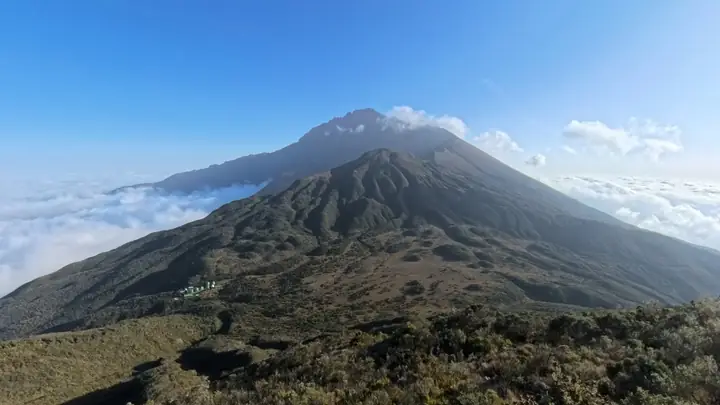
4-day trek on Tanzania’s second-highest peak
View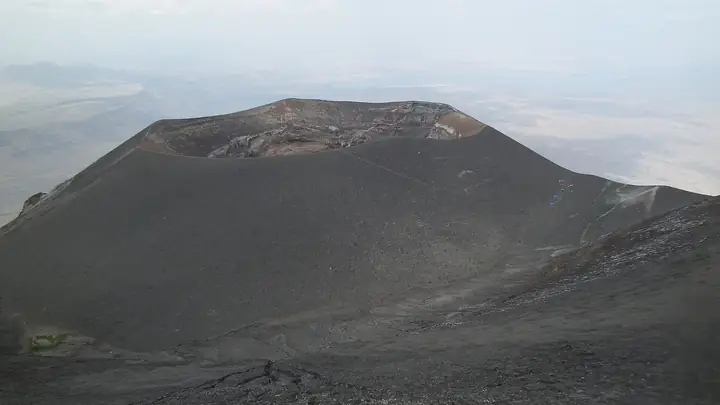
3-day climb of the Maasai Mountain of God
ViewTell us dates, travellers, and style. A safari specialist replies from Arusha.

Northern circuit parks, Kilimanjaro, and the coast
View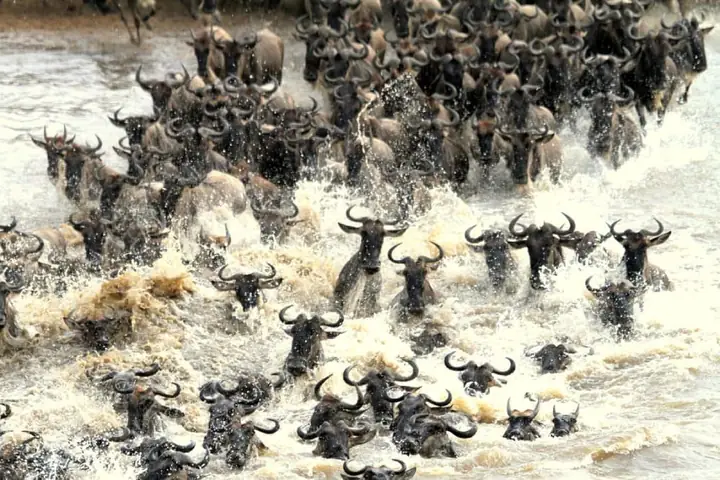
Masai Mara, Amboseli, Samburu, Tsavo, and Kenya safari extensions
View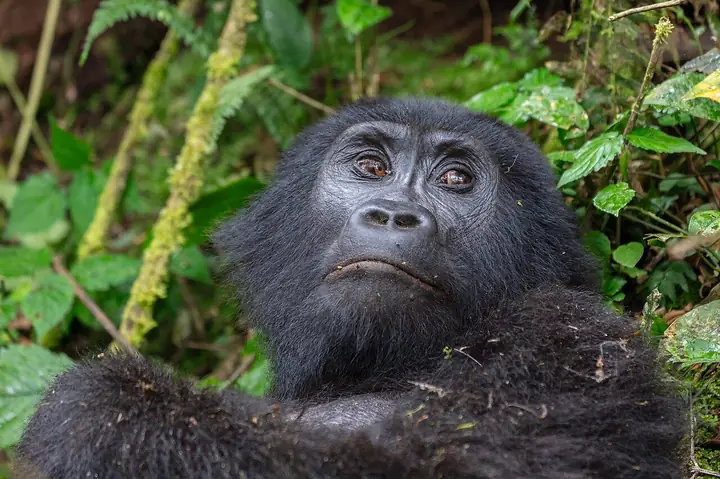
Bwindi gorillas, Kibale chimps, and Queen Elizabeth
View
Stone Town, spice farms, and beach stays
View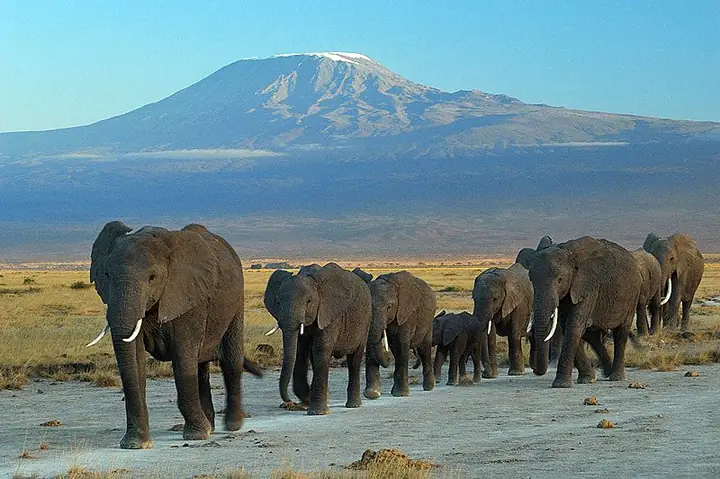
Two or more countries on one itinerary
ViewTell us dates, travellers, and style. A safari specialist replies from Arusha.
Choose Tanzania, Kenya, Uganda, Zanzibar, or Combo for itineraries that visit two or more of those destinations.
Each destination page lists only the itineraries that visit that place. Combo is the combination list — Tanzania with Kenya, Tanzania with Zanzibar, or a wider East Africa mix.
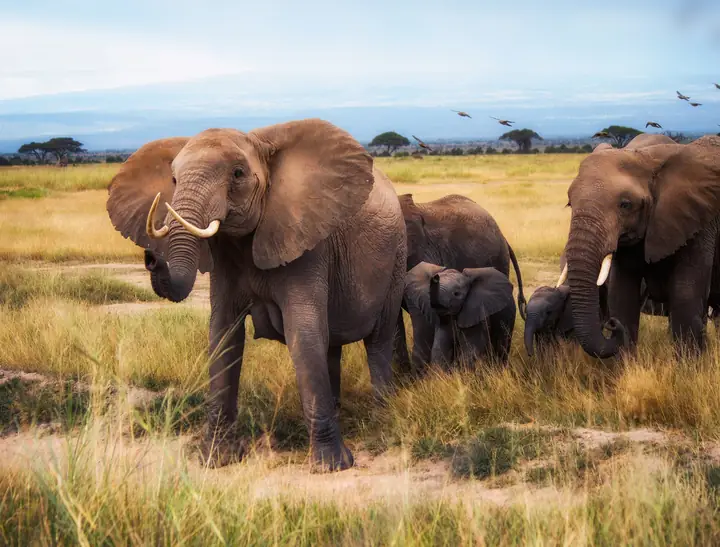 Tanzania
The northern circuit, Kilimanjaro, and the coast.
Tanzania
The northern circuit, Kilimanjaro, and the coast.
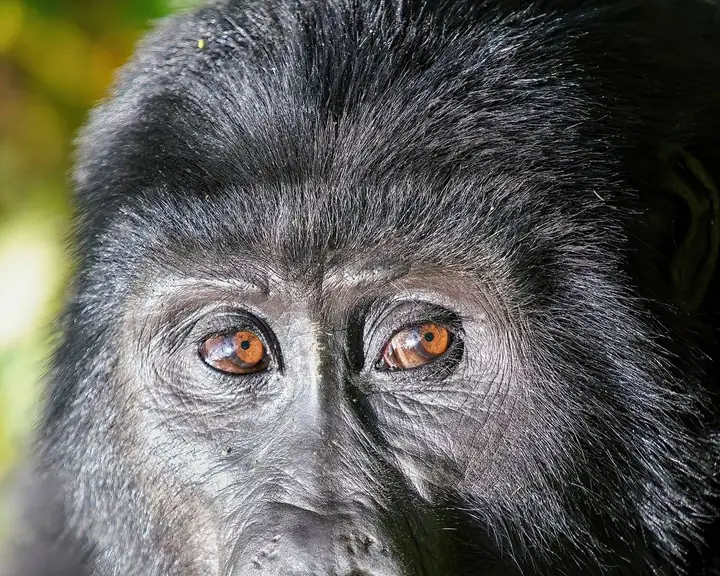 Uganda
Gorillas, chimpanzees, and Queen Elizabeth.
Uganda
Gorillas, chimpanzees, and Queen Elizabeth.