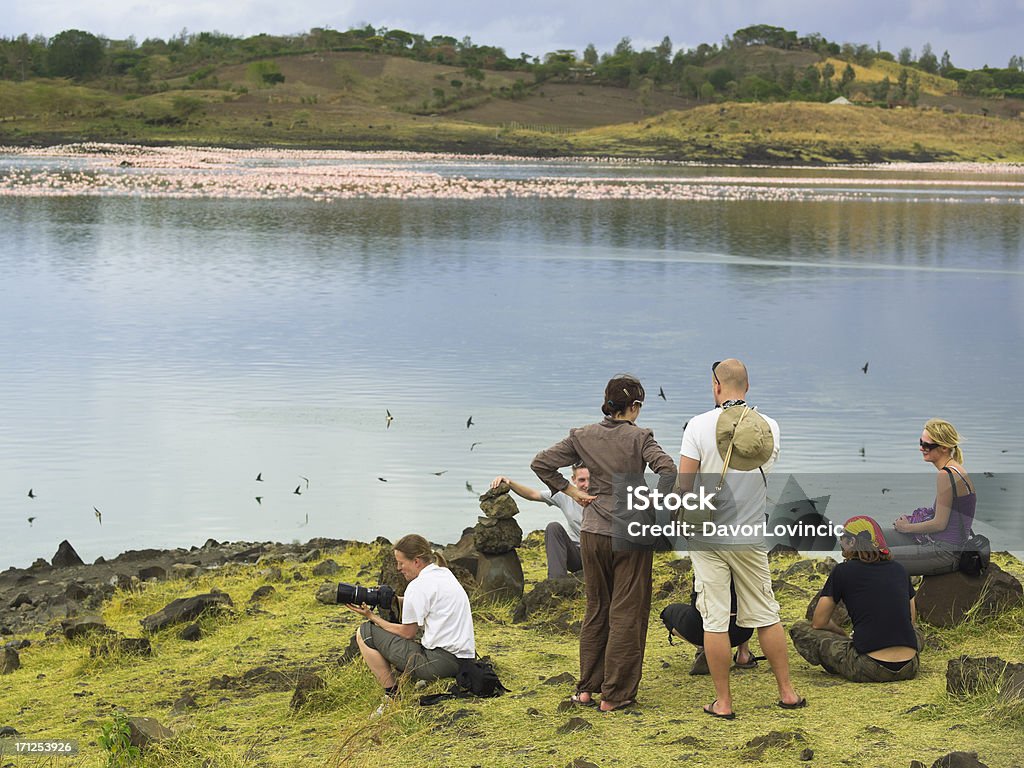
Nestled in the heart of Tanzania, amidst the stunning landscapes of East Africa, lies a natural gem that beckons adventurers and nature enthusiasts alike — Arusha National Park. This pristine sanctuary boasts a rich tapestry of history, culture, and biodiversity, making it a must-visit destination for travelers seeking to immerse themselves in the wonders of the African wilderness.
The Birth of Arusha National Park:
Arusha National Park’s origins trace back to the early 20th century when it was established as Ngurdoto Crater and Momella Lakes National Park in 1960. However, its history predates its formal designation as a protected area. The indigenous Maasai people inhabited these lands for centuries, coexisting harmoniously with the abundant wildlife and lush landscapes.
During the colonial era, the area gained prominence as a favored hunting ground for European aristocrats and colonial officials. Its diverse ecosystems, from verdant forests to rolling savannas, attracted big-game hunters in search of prized trophies. However, the hunting activities also brought attention to the need for conservation efforts to preserve the region’s natural heritage.
Conservation Efforts and Evolution:
In response to growing concerns over habitat loss and wildlife depletion, Arusha National Park was established with the aim of safeguarding its unique ecosystems and iconic species. Over the years, the park underwent several transformations, expanding its boundaries and enhancing its conservation initiatives.
Today, Arusha National Park spans approximately 137 square kilometers, encompassing a mosaic of habitats, including montane forests, alpine meadows, and crater lakes. Its diverse landscapes support a remarkable array of flora and fauna, from towering African elephants to elusive leopards and colorful birdlife.
Cultural Significance:
Beyond its ecological significance, Arusha National Park holds profound cultural importance to the indigenous communities inhabiting its surroundings. The Maasai people, with their deep-rooted connection to the land, continue to inhabit the peripheries of the park, preserving their traditional way of life and ancestral customs.
Visitors to Arusha National Park have the opportunity to engage with local communities, gaining insights into Maasai culture through guided tours and immersive experiences. From traditional homesteads, known as bomas, to vibrant cultural performances, these encounters offer a glimpse into the rich tapestry of East African heritage.
Exploring Arusha National Park Today:
Arusha National Park beckons adventurers with a myriad of activities that cater to every interest and preference. Whether embarking on a thrilling game drive through the park’s diverse landscapes, trekking to the summit of Mount Meru, or embarking on a leisurely canoe safari across the tranquil Momella Lakes, there’s something for everyone to enjoy.
For nature enthusiasts, the park offers unparalleled opportunities for birdwatching, with over 400 avian species recorded within its boundaries. From the iconic flamingos of Lake Momella to the majestic crowned eagles soaring overhead, birdwatchers are in for a treat.
Conclusion:
Arusha National Park stands as a testament to the enduring beauty and resilience of Africa’s natural heritage. From its humble beginnings as a favored hunting ground to its evolution into a revered conservation area, the park continues to captivate visitors with its breathtaking landscapes, rich biodiversity, and cultural significance.
As we strive to preserve and protect our planet’s remaining wilderness areas, Arusha National Park serves as a beacon of hope, inspiring future generations to cherish and safeguard our natural treasures for years to come. So, whether you’re a wildlife enthusiast, a cultural explorer, or simply a lover of nature’s wonders, a journey to Arusha National Park promises an unforgettable experience that will leave a lasting impression on your heart and soul.